Compact or Midsize SUV? The Few Inches That Change Everything
The two most popular vehicle classes sit side by side in every showroom. The gap between them is small on paper and large in daily life.

- A midsize SUV is typically 6 to 10 inches longer than a compact, and most of that goes to the back seat and boot.
- Compacts cost less to buy and fuel, and fit garages and parking spaces more easily.
- Choose by the back seat. If adults or rear-facing child seats ride there regularly, the midsize earns its premium.
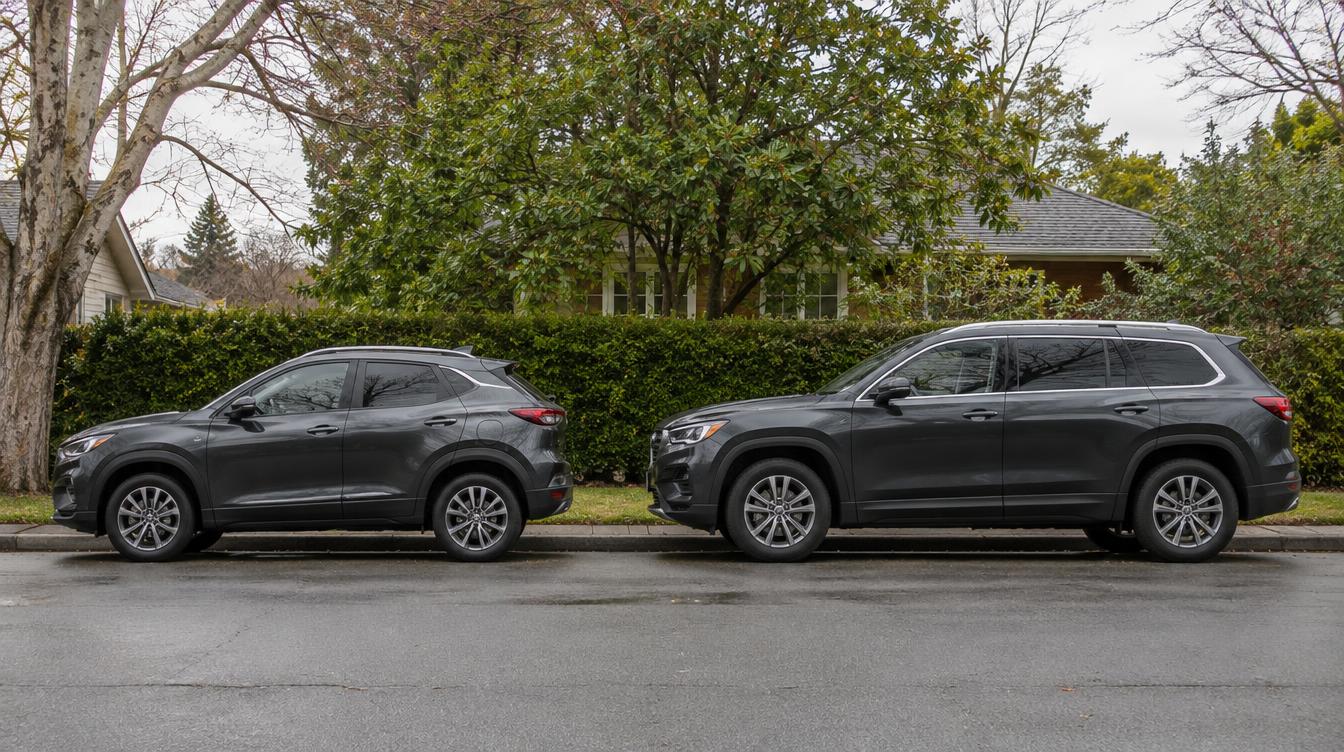
Stand a compact SUV beside a midsize one and the difference is hard to see. One is a little longer, a little wider, a little taller. The price tags are several thousand dollars apart.
Whether those extra inches are worth paying for depends almost entirely on who sits in the back and what goes in the boot. This guide is about working that out before you visit a dealer.
How big is the gap?
Size classes are not legally defined, and models have grown over the years. As a rough guide, compact SUVs are around 180 to 185 inches long, and two-row midsize models are around 188 to 195.
Width grows by an inch or two, which sounds trivial and is the difference between three people sitting comfortably across the back seat and three people enduring it.
Where the extra space goes
Very little of the added length reaches the front seats. Compact SUVs already offer generous room for the driver and front passenger.
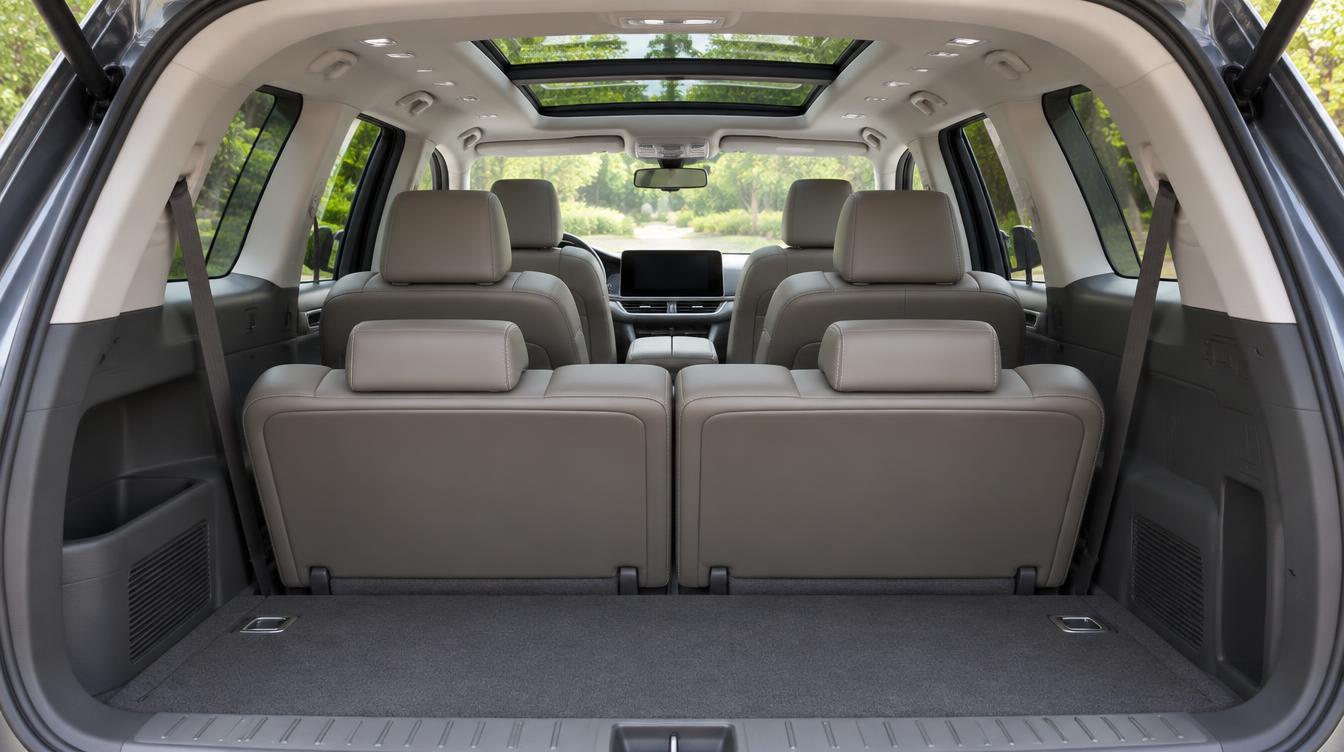
The gain is behind them. Rear legroom typically grows by a couple of inches, the seat is wider, and the boot is both longer and broader between the wheel arches.
| Measure | Typical compact | Typical midsize two-row |
|---|---|---|
| Rear legroom | 37 to 40 in | 39 to 42 in |
| Cargo behind rear seats | 30 to 38 cu ft | 35 to 45 cu ft |
| Towing capacity | 1,500 to 3,500 lb | 3,500 to 5,000 lb |
| Turning circle | Tighter | Wider |
The child seat test
A rear-facing child seat is the hardest thing most families ask a back seat to hold. It takes up so much length that the front passenger seat often has to slide forward.
In many compacts that leaves a tall front passenger short of knee room. In a midsize it usually does not. If you have, or plan to have, a baby, bring the seat to the test drive and fit it behind the passenger seat set for the tallest adult in the family.
Nobody has ever regretted bringing the car seat to the showroom.
Three across
Fitting three child seats, or two seats and a person, across one row is where width matters most. A few compacts manage it with carefully chosen narrow seats. Most midsize models manage it more easily.
If three across is your daily reality, measure the usable width between the door armrests at cushion height, not the shoulder room figure in the brochure.
What the compact does better
The smaller car is easier to live with in towns. It fits older garages, slips into tighter parking spaces and turns in less road.
It costs less to buy, usually by several thousand dollars for similar equipment. It uses less fuel, and its tires and brakes tend to be cheaper to replace.
- Lower purchase price for the same features.
- Better fuel economy, often by two to four miles per gallon.
- Easier parking and a tighter turning circle.
- Lower costs for tires and some servicing.
What the midsize does better
The larger car is the more relaxing long-distance companion. The longer wheelbase smooths the ride, there is more space between passengers and noise levels are often lower.
It typically tows more, which matters for a small camper or a boat. And it offers the option of a third row, which no compact provides in a usable form.
The garage question
Before you fall for the larger car, measure your garage. Allow for the door to close, for someone to walk around the car and for the tailgate to open.
A standard single garage can be a tight fit for a midsize SUV once shelves, bikes and bins are taken into account. This is the measurement buyers most often forget.
Fuel and running costs
The gap in fuel economy between the classes has narrowed, especially with hybrids. A midsize hybrid can use less fuel than a compact with a conventional engine.
Compare specific models on the official fuel economy labels rather than assuming the smaller car always wins.
How to decide
List the three hardest jobs you will ask the car to do in a normal month. A holiday with luggage for four. A rear-facing seat behind a tall driver. Collecting grandparents from the airport.
If the compact handles all three without strain, buy the compact and enjoy the savings. If any of them requires a compromise you would feel every week, the midsize is the right tool.
The honest answer
Most couples and families with one or two older children are well served by a compact. Families with infants, three children or regular adult passengers in the back are usually happier in a midsize.
Sit in the back seat of both. The decision tends to make itself.
Frequently asked questions
Is a compact SUV big enough for a family of four?
For many families, yes. Two adults and two children fit comfortably in most compact SUVs, and the boot handles a weekly shop or a weekend away. Families with rear-facing child seats, tall teenagers or frequent long trips often find the extra space of a midsize worthwhile.
How much more does a midsize SUV cost than a compact?
The gap varies by brand, but a midsize model commonly costs several thousand dollars more than the compact from the same manufacturer with similar equipment, and uses somewhat more fuel.
Which holds its value better?
Both classes are in strong demand as used cars. Resale value depends far more on the specific model's reputation for reliability than on which size class it belongs to.