Third-Row Seats: Who Really Fits, and What to Measure on the Test Drive
Every three-row SUV claims to seat seven. A tape measure and ten minutes in the showroom tell you which ones mean it.

The phrase "seats seven" covers a lot of ground. In some SUVs the third row is a genuine bench for adults. In others it is a padded shelf that works for two small children on a short trip. The brochure uses the same words for both.
The only reliable way to tell them apart is to climb in. Here is what to look for when you do.
Know which size class you are in
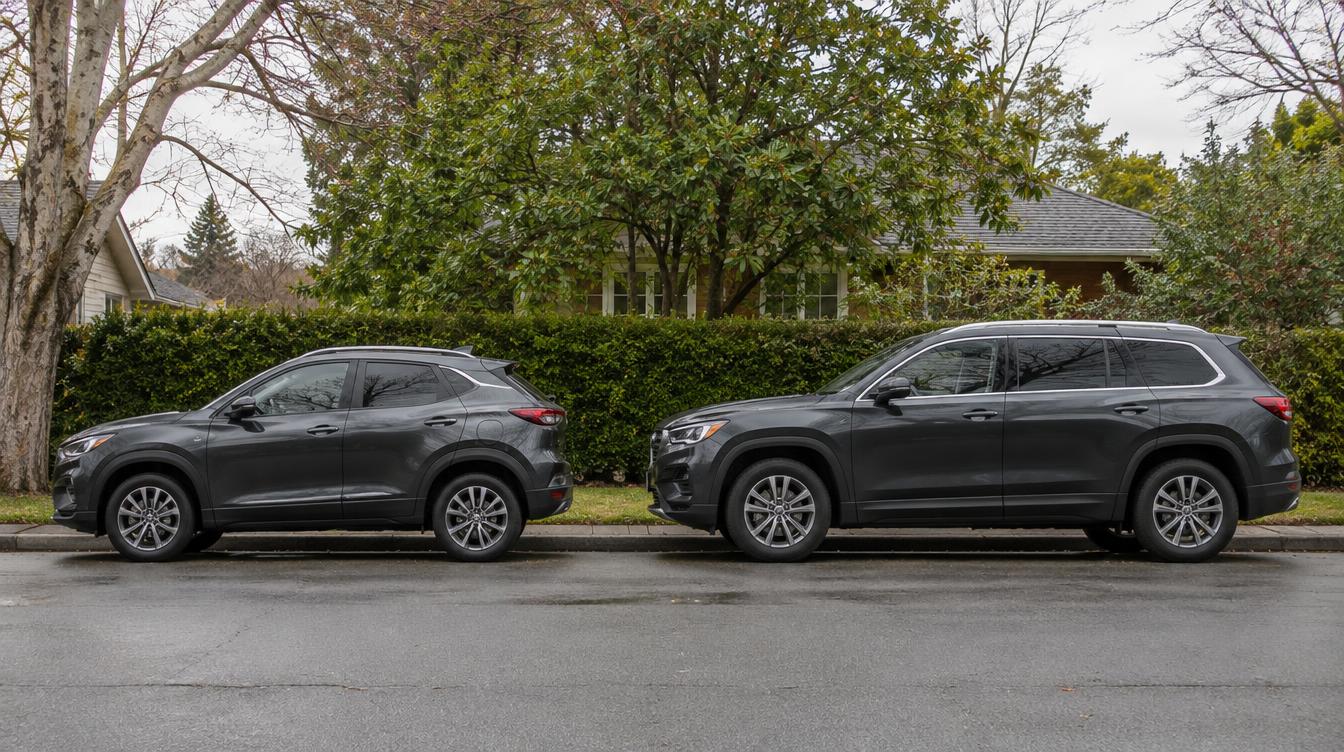
Three-row SUVs come in two broad sizes. Midsize models fit a third row into a body built mainly around two. Full-size models are longer and taller, and the third row is part of the original plan.
That difference shows up in legroom, in how high your knees sit and in whether there is any luggage space left once every seat is in use.
The knee-height test
Legroom numbers hide the real problem, which is floor height. In many SUVs the third-row floor sits high because of the rear suspension and fuel tank underneath, so adult knees end up near chest level.
Sit in the third row for five full minutes, not thirty seconds. If your thighs are not supported by the cushion, you would not want to be there for an hour.
Getting in and out
Access matters as much as space. Check how the second row moves to let people through, and whether it can do so with a child seat installed. Some tilt-and-slide mechanisms work with a seat strapped in; many do not.
- Try the access from both sides of the car.
- Ask a child, if you have one handy, to climb in unaided.
- Check whether second-row captain's chairs leave a walk-through aisle.
- Look for a one-touch button rather than a two-handed lever.
A third row you cannot reach without unbuckling a child seat is a third row you will not use.
Child seats and anchors
Count the anchor points. Some three-row SUVs offer full anchors in only one third-row position, or none at all. If you plan to put child seats back there, this alone can decide the purchase.
Bring your actual seats to the dealership and install them. Fit varies with the shape of the cushion and the angle of the seat back, and there is no substitute for trying.
What is left for luggage
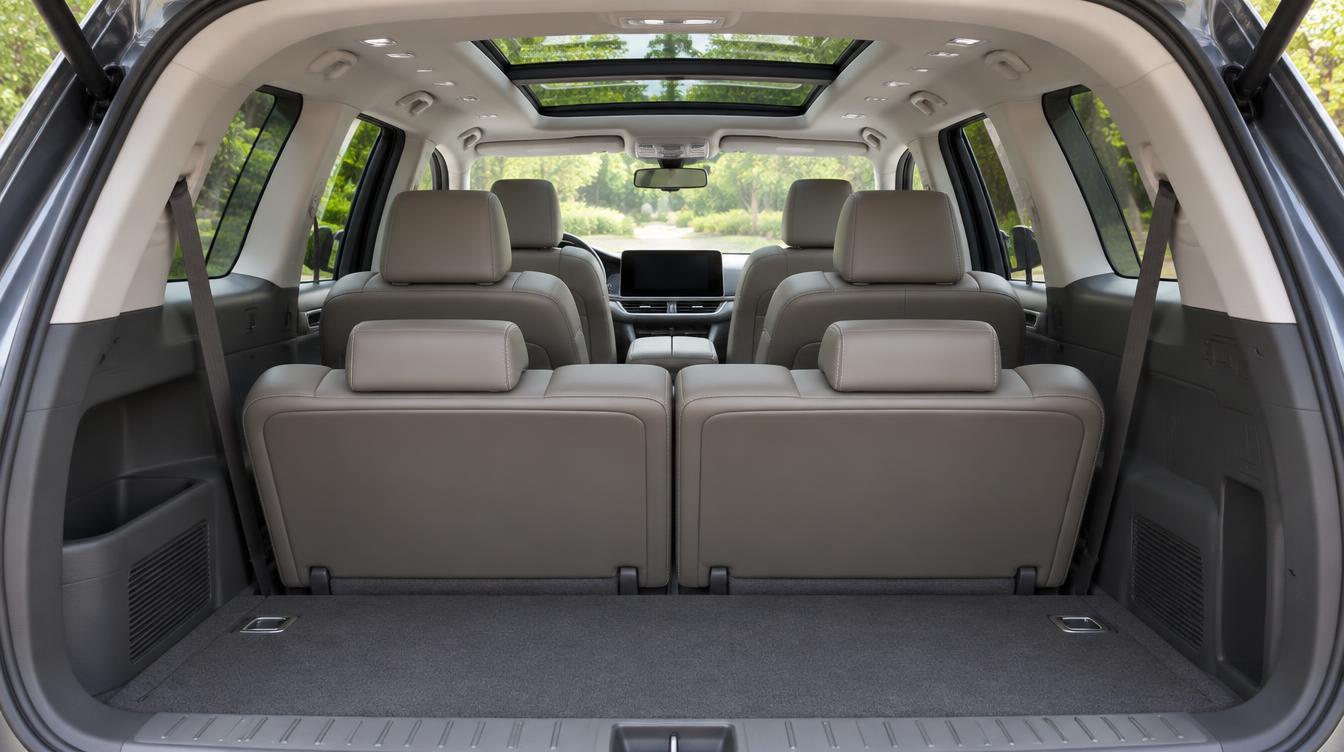
With all three rows up, cargo space in a midsize SUV can shrink to the size of a few grocery bags. That is fine for the school run and a real problem for a family holiday.
| Seats in use | Typical midsize three-row | Typical full-size |
|---|---|---|
| All three rows | A few grocery bags | Several carry-on cases |
| Third row folded | Large suitcases and a stroller | Very large load |
| Both rear rows folded | Furniture and bikes | Small-van capacity |
If you often need seven seats and luggage together, look at a full-size SUV, a minivan or a roof box. It is better to know now than at the start of a road trip.
Comfort details that matter
Look for air vents, cup holders and charging ports in the third row. They sound trivial until someone is sitting back there in August.
Check the view out. Small rear windows and a high beltline can make the third row feel like a cave, and children who cannot see out tend to feel unwell sooner.
The honest alternative
If you carry six or seven people most days, try a minivan before you decide. Sliding doors, a low flat floor and an adult-sized third row solve the problems that SUVs work around.
Many buyers rule them out on image alone and then spend years folding themselves into a third row that was never designed for it.
Three last checks
Remember the seat belts. In some third rows the belts for the outer seats cross awkwardly over smaller passengers. Buckle everyone in during the test drive and check the fit.
Think about how the seats fold as well. Power-folding rows are convenient and slow. Manual ones are quicker once you learn the levers. Try both if the model offers a choice.
Finally, ask about towing if you plan to pull a trailer with a full load of passengers. The weight of seven people counts against what the vehicle can safely tow.
Our rule of thumb
For occasional use by children, most midsize three-row SUVs are perfectly good. For regular use by teenagers or adults, go up a size or go to a minivan.
And whichever you choose, fold and raise every seat yourself before you sign. You will be doing it for years.