The Midsize SUV Shortlist: How to Narrow Forty Models Down to Three
The midsize class is the most crowded part of the market. A simple order of decisions gets you to a test-drive list in one evening.

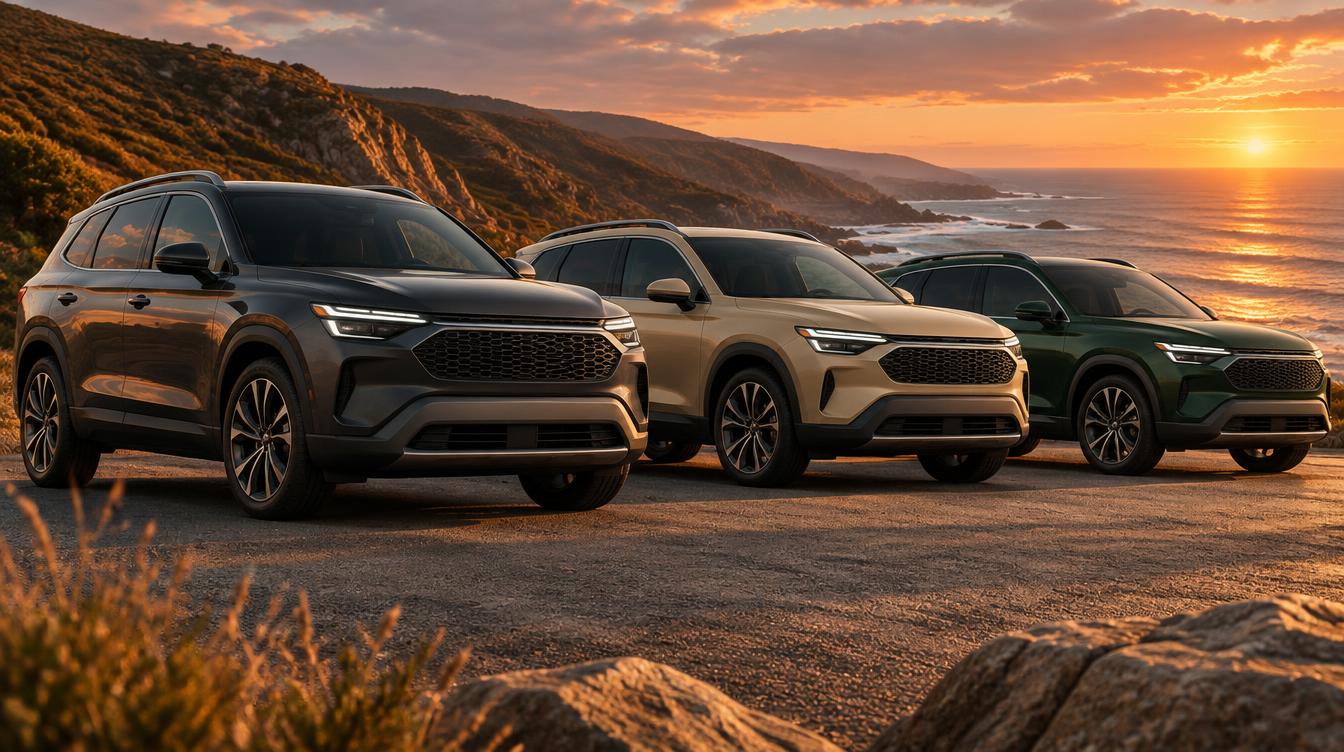
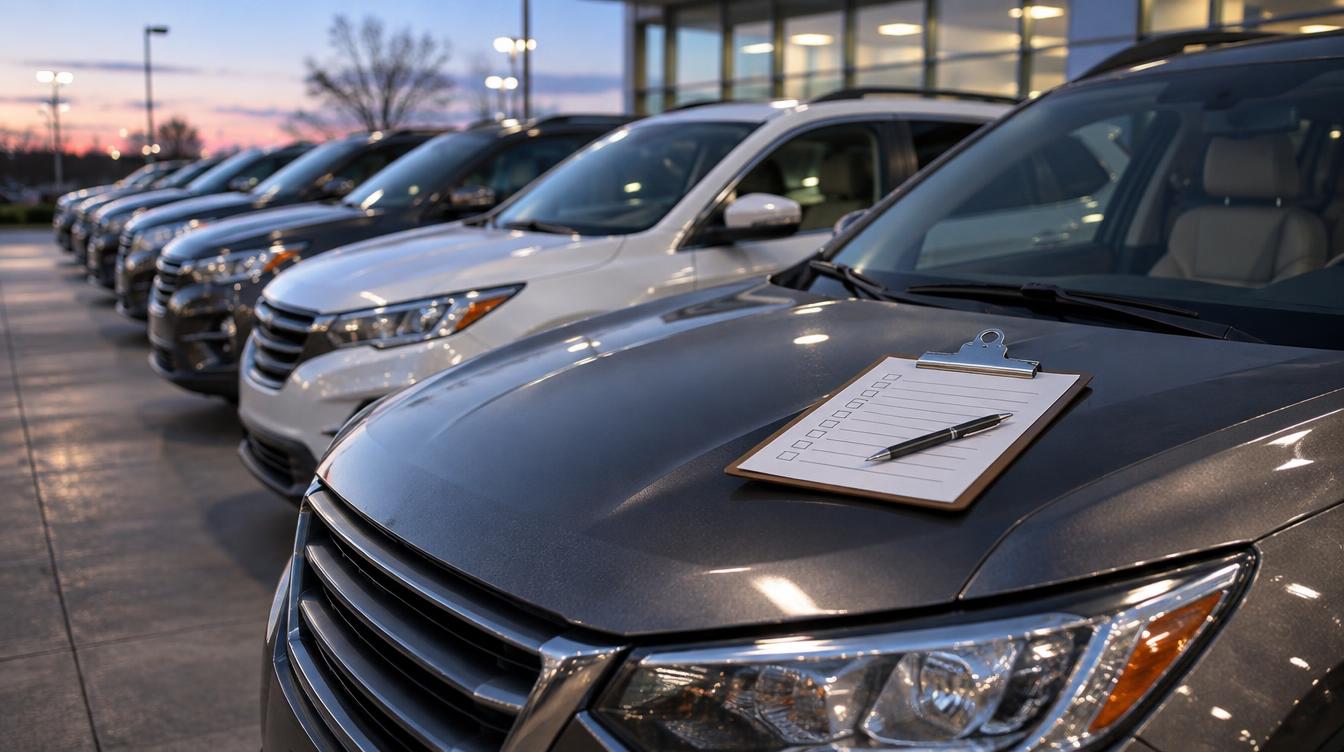
Walk into the midsize SUV market without a plan and you will leave with a headache. There are roughly forty nameplates on sale, most of them competent, many of them nearly identical on paper. The trick is not finding a good one. It is deciding which kind of good you need.
We have spent years watching people choose cars, and the happiest owners tend to make their decisions in the same order. They settle the big structural questions first and leave paint and wheels for last.
Start with seats, not brands
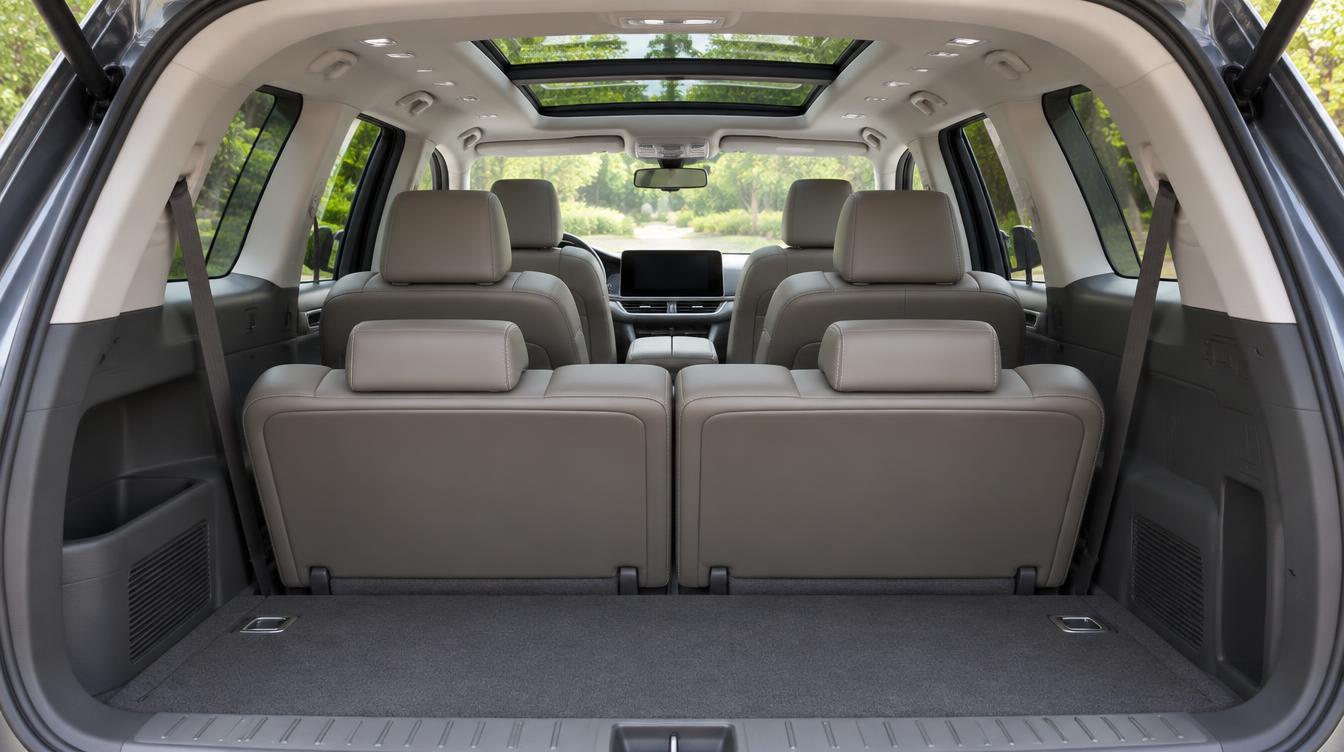
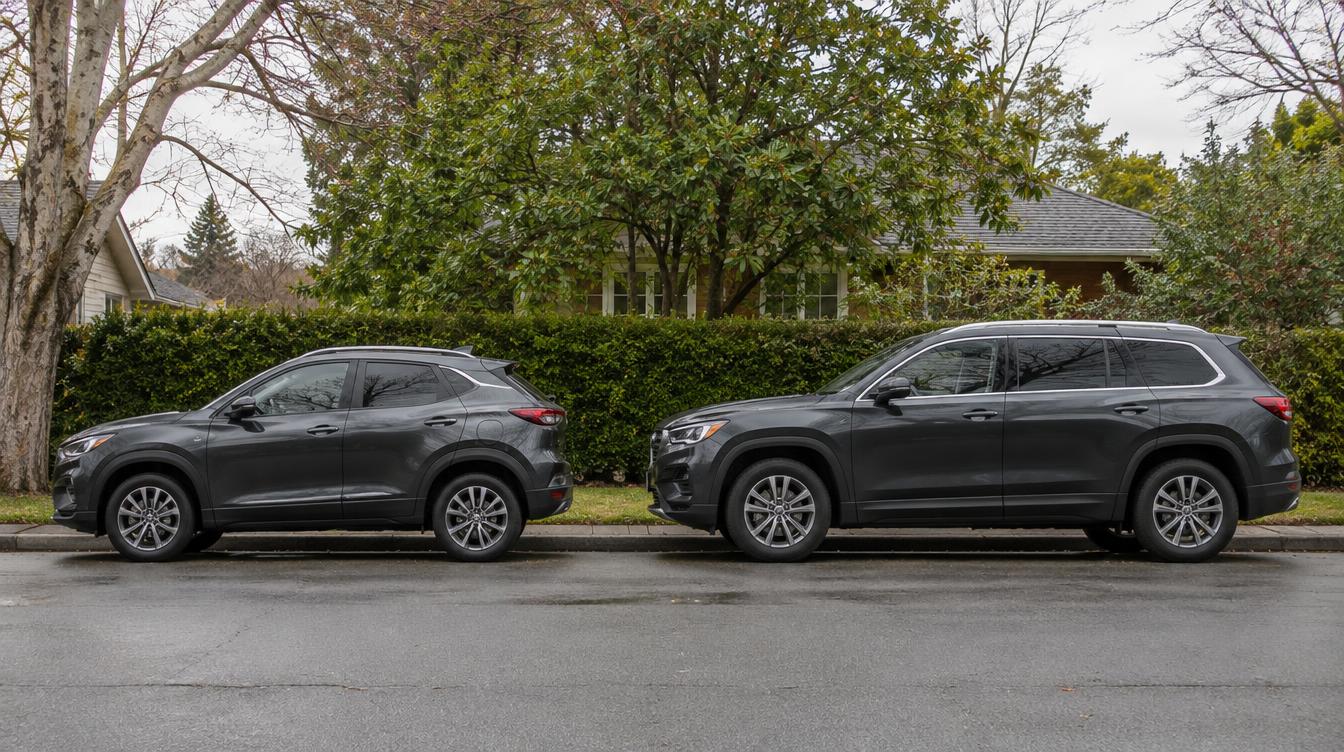
The midsize class splits into two families: five-seaters with generous back seats, and three-row models that trade some of that space for a pair of occasional seats. They often share a name and a showroom, but they live very differently.
Ask how many people you carry in a normal week. If the honest answer is four or fewer, a two-row model gives you a bigger boot, a lower price and usually better fuel economy.
If you carry six even once a week, go straight to the three-row models and skip everything else. Borrowing a seat you do not have is harder than ignoring one you do.
Decide how the wheels are driven
All-wheel drive is the second fork in the road. It adds weight, cost and a small fuel penalty, and in return it helps you pull away on snow, wet grass and steep gravel.
It does not help you stop or turn on ice. Tires do that. A front-wheel-drive SUV on proper winter tires will out-brake an all-wheel-drive one on worn all-seasons every time.
- Choose all-wheel drive if you face regular snow, unpaved roads or steep driveways.
- Choose front-wheel drive if you live somewhere mild and want the lower running costs.
- Budget for good tires either way. They are the cheapest safety upgrade you can buy.
Pick a powertrain you can live with
Most midsize SUVs now come with a choice of a turbocharged four-cylinder, a hybrid, and sometimes a plug-in hybrid. The hybrid usually costs a little more to buy and noticeably less to fuel, particularly in town.
If most of your miles are stop-start, the hybrid tends to pay back its premium within a few years. If you mostly cruise on highways, the gap narrows and the simpler engine may suit you just as well.
The best car on your list is the one whose worst habit you can live with for seven years.
Measure the things brochures skip
Cargo volume is quoted in cubic feet, which tells you almost nothing about whether your stroller or golf bag fits. Take the awkward object with you. Dealers are used to it.
Check the height of the load floor, the width between the wheel arches and whether the seats fold flat. A boot that is tall but narrow is less useful than one that is low and square.
Sit in the back seat behind your own driving position. Then try the middle seat. If you carry three across, this two-minute test eliminates more models than any review.
| What to check | Why it matters | How to test it |
|---|---|---|
| Rear door opening | Child seats and older passengers | Open fully in a normal parking space |
| Load floor height | Lifting heavy items | Load a full suitcase yourself |
| Seat folding | Everyday flexibility | Fold and raise every seat with one hand |
| Visibility | Parking and lane changes | Check over both shoulders before you move |
Set a number for the whole deal
Decide what you can spend in total before you look at monthly payments. Stretching the term makes almost any car look affordable, and it is the most common way buyers end up owing more than the car is worth.
Ask for the out-the-door price in writing, including fees. Compare that figure between dealers rather than the discount each one claims to be giving you.
Tires and servicing vary more between models than most buyers expect. Ask the dealer for the scheduled maintenance costs of each finalist over five years. The answers occasionally reorder the list.
Resale value matters too if you change cars every few years. Models with a reputation for reliability tend to hold their price, which lowers the real cost of owning them.
Build the shortlist
By now the forty have become six or seven. Read two or three long-term owner reports for each, looking for patterns rather than single complaints. Infotainment glitches and wind noise show up early; reliability trends take longer.
Cut to three and book the test drives back to back, on the same day, on roads you know. Your memory of how a car rides fades within hours, so comparing on the spot is worth the effort.
Drive each one over a rough street, onto a highway ramp and into a tight parking space. Those three moments cover most of what you will do with it for years.
The decision
If one car makes you smile and the numbers work, you are done. If two are tied, choose the one with the better seats. You will notice them every single day, long after you have stopped noticing the screen.
And if none of the three feels right, widen the list rather than settling. There are forty of them, after all.